Power Pet Smart Automatic Pet Door Review: Worth It? (November 2026)
The Power Pet door suits homes that want a collar-triggered panel with controlled entry and exit. Choose the large DeadBolt for door mounting if its opening fits your pet, and plan for collar care and a nearby power supply.
On this page (10 sections)
- How does the Power Pet door control access?
- Who should buy the large DeadBolt model?
- Which alternative fits your pet and installation?
- How do you size a Power Pet door correctly?
- What should you plan before installation?
- How do you set up the collar and train your pet?
- What care and common mistakes matter most?
- Is powered access worth the extra upkeep?
- Frequently asked questions
- Which Power Pet door should you choose?
The Power Pet door is a good fit if you want collar-triggered access and a powered panel that locks after closing. The large DeadBolt model suits a door installation, provided its usable opening fits your pet and you can manage the collar and power supply.
Its main benefit is control over when your pet can come in or go out. It asks more of you than a manual flap: correct sizing, a clear approach, collar battery care and a plan for power cuts.
If you're comparing access systems before choosing a brand, start with the best electronic dog doors.
How does the Power Pet door control access?
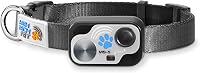
The Power Pet door uses an MS-5 ultrasonic collar to trigger a rising panel when your pet approaches directly. Directional sensing helps distinguish an approach from a pet resting or moving beside the door.
The control panel has 4 modes: In Only, Out Only, In & Out, and Locked. These are useful for changing the routine without covering the opening or removing your pet's collar.
For example, In Only lets a pet return indoors while blocking another trip outside. Use Locked when you want access closed in both directions, and make a habit of checking where every pet is before changing modes.
Inside and outside sensing ranges can be adjusted separately. Start with the instructions for your model, then observe normal approaches from both sides rather than choosing the longest range by default.
An automatic steel dead bolt locks the panel after closing. High Tech Pet's auto-retract system reopens it when an obstruction is detected, but you should still keep the passage clear and supervise early use.
Who should buy the large DeadBolt model?
The large DeadBolt suits households that want controlled backyard access through an exterior door and prefer local controls to an app. Skip it if you need Wi-Fi control or don't want your pet to wear a transmitter.
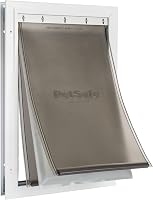
Power Pet DeadBolt Smart Pet Door, Large: Best for controlled backyard access

- Large door-mount model
- Includes MS-5 ultrasonic collar
- Four access modes
- Automatic steel dead bolt
Choose this large door-mount model when you want to control entry and exit from a local panel. Its motorized opening suits pets that can wear the compatible collar.
Pros
- Separate controls for entry and exit
- Adjustable inside and outside sensing ranges
- Auto-retract responds to detected obstructions
Cons
- Performance warranty requires genuine MS-5 transmitters
- Wall mount kit and backup battery are separate
- No Wi-Fi control
This model makes sense when someone at home will use the direction controls, such as bringing a pet indoors before bedtime and then closing access. The manual-open and hold-open functions also give you ways to introduce the panel without asking your pet to trigger it immediately.
The door mount and AC adapter are included. Wall mounting needs a separate kit, while a rechargeable backup battery is optional, so choose the installation route before ordering accessories.
The included collar is water-resistant, and High Tech Pet requires genuine MS-5 transmitters for the door's performance warranty. Follow the brand's guidance on compatible batteries rather than treating any similar transmitter as interchangeable.
Choose another approach if your pet cannot comfortably wear the collar or the opening would force it to squeeze through. A motorized panel can't make an undersized passage suitable.
Which alternative fits your pet and installation?
Choose among these alternatives by usable opening and mounting route, since their shared access features aren't a reason to ignore fit. A medium model, a door model with stated fit limits and a dedicated wall model solve different installation problems.
Power Pet PX-1 Electronic Pet Door, Medium: Best for medium pets

- Medium electronic door
- Includes MS-5 ultrasonic collar
- Four access modes
- AC adapter included
The PX-1 is the medium option for pets that fit comfortably through its opening. Choose by body measurements rather than assuming every medium dog will fit.
Pros
- Medium option with door mount included
- Manual-open and hold-open controls
- Optional rechargeable backup battery
Cons
- Confirm usable opening dimensions before buying
- Performance warranty requires genuine MS-5 transmitters
- Wall mounting needs a separate kit
PX-1: choose it for a comfortable medium fit
The PX-1 is the medium option for a pet that doesn't need a large passage. It offers the same basic collar-controlled routine, so you don't need to select a large model just to get direction controls.
Measure your pet before committing to the size label. A broad chest, long body or stiff movement can matter more than the breed's usual weight range.
Skip the PX-1 if your pet would need to duck sharply, twist or rub against the sides. In a home with several pets, size the passage for the largest animal that will use it and confirm collar needs for each.
Power Pet High Security Electronic Pet Door: Best for measured door replacements

- Large door-mount model
- 12 1/4 x 16 in pet opening
- Aluminum frame
- Maximum compatible thickness 2 in
The PX-2DM gives you an explicit opening size and door-thickness limit to compare with a planned installation. An existing cutout still needs its own fit check.
Pros
- Defined pet opening for fit checks
- Aluminum frame
- Collar access with automatic dead bolt
Cons
- Doors thicker than 2 in exceed its compatibility limit
- Existing cutouts need separate measurement
- Performance warranty requires genuine MS-5 transmitters
PX-2DM: choose it when dimensions guide the decision
The Power Pet High Security Electronic Pet Door has a 12 1/4 x 16 in pet opening, an aluminum frame and a maximum compatible door thickness of 2 in. Those measurements give you a clear starting point for checking both pet fit and door fit.
High Tech Pet describes it for large dogs weighing 30–100 lb, but body measurements should decide the purchase. Dogs of the same weight can have very different chest widths and shoulder heights.
This is worth considering for a replacement project where you can compare the new installation requirements with the existing opening. Skip it if your door exceeds the thickness limit, and don't assume its frame will cover or reuse an old cutout.
Power Pet Wall Mount Electronic Pet Door, Large: Best for permanent wall access

- Large wall-mount model
- Four access modes
- Automatic steel dead bolt
- MS-5 ultrasonic collar system
Choose the dedicated wall model when a clear wall route gives your pet a better approach than an exterior door. Confirm wall depth, tunnel fit and power access before cutting.
Pros
- Designed for wall installation
- Wall models include an aluminum tunnel
- Local controls without Wi-Fi
Cons
- Wall work needs structural and weather-sealing planning
- Permanent opening may not suit renters
- Performance warranty requires genuine MS-5 transmitters
Wall model: choose it for a better route outdoors
The large wall-mount model suits a permanent installation where the wall gives your pet a straighter route than the door. High Tech Pet's wall models include an aluminum tunnel to frame the passage.
A wall route can also keep pet traffic away from a busy doorway, but the location needs room for the full assembly and comfortable landings. Confirm the tunnel suits your wall depth before work begins.
Skip this version if you need a reversible installation or cannot guarantee a clear path through the wall. Compare possible locations in our guide to dog doors for walls and exterior doors.
How do you size a Power Pet door correctly?
Choose by the pet opening, not the outer frame or your dog's weight alone. The full unit dimensions describe installation space, while the usable opening determines whether your pet can pass comfortably.
Measure the widest part of your pet and consider its shoulder height and normal walking posture. Use our dog door size chart to work through the fit before selecting medium or large.
A cardboard opening can help you judge the shape at the planned threshold height. Let your pet approach willingly, and watch for rubbing, twisting or an awkward step rather than pushing it through.
For a growing dog, allow for adult size before making a permanent cut. For a pet with limited movement, pay close attention to the step-over height and landing, since a wide opening alone won't make access easy.
Also check the available space above and around the cutout. A rising-panel assembly needs room for its full housing, and furniture or an exterior step can spoil an otherwise suitable location.
What should you plan before installation?
Plan mounting, power and the approach path before cutting anything. High Tech Pet describes these doors as suitable for DIY installation, but the material you're cutting and the route you choose determine the work involved.
Read the exact model's instructions and use its template. A pet opening measurement is not a cutting template, and a previous door's cutout may need repair or adjustment.
For a door installation, confirm thickness, construction and clearance as the main door swings. Place the opening where your pet can approach straight on without crowding a wall, cabinet or outdoor obstacle.
For wall installation, identify wiring, plumbing and structural parts before cutting. Get qualified help when you can't confirm a clear route, and plan weather sealing around the tunnel as part of the job.
Place the power connection where the cord won't cross a walkway or sit within easy chewing reach. If an outlet needs to be added, resolve that before the pet door is fitted.
Add backup power if an outage could leave your pet on the wrong side. Don't assume a collar battery powers the door motor, and keep an alternative way to bring your pet inside.
How do you set up the collar and train your pet?
Start with a clear passage and short, supervised sessions so your pet learns both the panel movement and the approach. Introduce the collar separately if wearing it is new.
Use hold-open according to the instructions to let your pet explore the opening without panel movement. Reward a calm approach and voluntary passage, then introduce automatic operation once the route is familiar.
Approach from inside and outside during setup, checking that the collar triggers opening before your pet reaches the panel. Adjust each sensing range as needed without placing beds or feeding spots in the approach path.
Don't push a hesitant pet through or rush several animals toward the opening together. Our guide to training a dog to use a dog door gives you a gradual routine.
In a home with several pets, remember that controlled opening isn't a separate passage for each animal. Another pet may follow while the panel is open, so supervise if one animal must stay indoors.
What care and common mistakes matter most?
Keep the panel path, collar and surrounding seals clean and in working order. Small routine checks matter because access depends on both a moving door and a worn transmitter.
Remove loose hair, mud and debris from the passage using the cleaning method High Tech Pet recommends. Avoid adding oil or other treatments unless the instructions call for them.
Check the collar fit, battery condition and response as part of normal care. Water-resistant doesn't mean you should ignore moisture or damage, so inspect the transmitter after wet or rough outdoor use.
Check backup battery care separately from collar battery care. They serve different jobs, and having one working doesn't confirm that the other is ready.
High Tech Pet describes the panel as quiet and hermetically sealed against wind, rain and drafts. The surrounding installation still needs sound seals, so inspect the frame and wall or door joint when you notice a draft.
The most common buying mistake is choosing features before confirming the opening. Other avoidable errors include using the wrong cutout dimensions, leaving the power plan until last and setting an access mode without checking which pets are outside.
Is powered access worth the extra upkeep?
Powered access is worth considering when you'll use direction controls and a closing, locking panel often. If all you need is a simple passage to a secure yard, a manual flap may meet the routine with fewer parts to maintain.
Read electronic vs. flap dog doors for that comparison, or our dog door guide if you're still choosing the basic type.
A collar trigger controls what opens the panel, but it doesn't replace a secure yard or normal supervision. The automatic lock also shouldn't be treated as a substitute for your home's main security measures.
For a closer look at access triggers, see how collar sensor dog doors work. The PetSafe Electronic Pet Door review offers another option to compare if you haven't settled on Power Pet.
Frequently asked questions
The main Power Pet decisions are collar compatibility, comfortable fit and installation route. These answers cover points to settle before you commit to a permanent opening.
Does the Power Pet door read an implanted microchip?
No, these Power Pet models use an MS-5 ultrasonic collar for automatic access, rather than an implanted microchip. Choose them if you're comfortable maintaining a collar transmitter; if you want your pet's implanted chip to control entry, compare a system specifically designed for that method.
Can you set automatic opening times?
The controls described here let you choose access direction locally, but they don't guarantee a timed schedule. If you need the door to change modes automatically at set hours, confirm that feature before buying rather than assuming the word “smart” means scheduling or remote control.
Will the Power Pet door stop every unwanted animal?
Don't rely on it to stop every unwanted animal. Collar activation and the locking panel control access when the door is closed, but another animal could follow your pet through an open passage, so supervise early use and address food or other attractions near the entrance.
Is the Power Pet door suitable for winter?
High Tech Pet describes the sealed panel as helping keep out wind, rain and drafts, but installation quality also matters. Check the frame perimeter and tunnel joints for gaps, and keep the passage clear of debris rather than expecting the panel seal to correct a poorly fitted opening.
Which Power Pet door should you choose?
Choose the large DeadBolt Power Pet door for a suitable exterior door when you'll use local entry and exit controls. Pick the PX-1 only after confirming a comfortable medium fit.
Choose the PX-2DM when its opening and thickness limit match your measurements, or the dedicated wall version when a permanent wall route works better. Skip the system if collar care, power access or the required cutout doesn't fit your household.
Before ordering, settle the usable opening, mounting package and outage plan. Then compare the best electronic dog doors if another access system could suit your routine better.
Frequently asked questions
Does the Power Pet door need a collar?
Yes, automatic access uses a genuine High Tech Pet MS-5 ultrasonic collar, which is included with these models. Your pet needs to wear the transmitter for collar-triggered opening, and High Tech Pet limits the door's performance warranty to authentic MS-5 transmitters, so plan for compatible collars and battery care.
Can the Power Pet door be installed in a wall?
Yes, but choose the mounting package before planning the cutout; the large DeadBolt includes a door mount and needs a separate wall kit, while the dedicated wall version is intended for that installation. Confirm wall depth, tunnel fit, utilities and a clear approach on both sides before cutting.
Does the Power Pet door work during a power outage?
An optional rechargeable battery can provide backup power; the included AC adapter supports normal operation. Add the compatible backup battery if outage access matters, and follow High Tech Pet's charging and maintenance instructions; keep another way to bring your pet indoors rather than relying on a battery indefinitely.
Is the Power Pet door a good choice for every dog?
No, it suits pets that fit the opening, tolerate the compatible collar and can learn to approach the panel directly. A dog that refuses the collar or struggles with the threshold may need another arrangement, while households wanting simple access without power or battery care may prefer a manual flap.