Electronic vs Flap Dog Door: Is the Upgrade Worth It? (November 2026)
Choose an electronic dog door for collar-key access control, or an insulated flap door for weather protection without batteries. The upgrade makes sense when you need to manage which pets use the opening, rather than simply give every pet the same route outside.
On this page (10 sections)
- Electronic dog door vs flap: which gives you more control?
- Which PetSafe door fits your household?
- Which door helps more with drafts and cold weather?
- How do you measure for a comfortable fit?
- What does each door require to install?
- How should you set up and introduce the door?
- What care does each style need?
- Which mistakes make either dog door less useful?
- How should you compare security and everyday use?
- Which electronic dog door or flap door should you choose?
Choose an electronic dog door for selective pet access, or an insulated flap door for simple access with weather protection. The electronic upgrade is most useful when controlling which pets pass through matters in your daily routine.
These 2 PetSafe doors solve different problems. The Electronic Pet Door responds to a collar key, while the Extreme Weather Aluminum Dog Door focuses on an insulated opening that pets push through.
If every pet can come and go together, paying for access control may add chores without solving a problem. If one pet needs outdoor access while another stays inside, a shared flap may be the wrong starting point.
For the wider choices, start with our guide to dog door types, sizes and buying choices. Then compare these models by access, fit and the work you'll need to do after installation.
 Best for multi-pet access control
PetSafe Electronic Pet Door, Collar Key Large
 Best for draft-prone homes
PetSafe Extreme Weather Aluminum Dog Door, Large
Electronic dog door vs flap: which gives you more control?
An electronic dog door offers key-based access control; a flap door offers shared access until you close it manually. Start by deciding which pets should pass, in which direction and at what times.
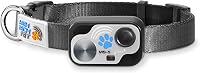
The PetSafe Electronic Pet Door detects a waterproof key worn on your pet's collar. In automatic mode, it releases the lock as the keyed pet approaches and locks again after the pet passes.
Its programmable entry, exit and auto-locking options give you more control than an open flap. Set those options around your actual routine, and confirm how each mode works before relying on it.
The Extreme Weather model uses a slide-in closing panel to block the passage. With the panel removed, the opening doesn't identify your pets or decide which animal may enter.
When is an electronic dog door worth the upgrade?
An electronic dog door is worth the added upkeep when selective access solves a specific problem. A household with an outdoor dog and an indoor-only pet has a clearer reason to choose it than a home where every pet shares access.
Key-based control still needs supervision at first. An unkeyed pet might follow closely behind a keyed pet, so watch how your animals approach the opening together before treating it as a reliable boundary.
Skip the electronic model if your dog cannot comfortably wear its key, or if you don't want another battery-powered device to maintain. A conventional flap is easier to manage when permission to use it is the same for every pet.
See the best electronic dog doors for other options. Our explanation of how a collar sensor dog door works helps you decide whether this access method suits your pets.
Which PetSafe door fits your household?
Choose the PetSafe Electronic Pet Door for access management and the Extreme Weather model for a shared, insulated passage. Neither is a universal upgrade over the other.
PetSafe Electronic Pet Door: choose it for different pet permissions
This model suits households that need to give selected pets a route through an interior or exterior door. It supports up to 5 collar keys, making it an option for several pets with the same access needs.
Its detection range adjusts up to 3 ft. During setup, use only as much range as your layout needs, and observe whether a keyed pet resting near the door causes unwanted responses.
The title describes it for dogs up to 100 lb, but weight alone cannot confirm fit. A broad chest, tall shoulders or limited mobility can matter more than the number on a scale.
Skip it if your main goal is reducing drafts and you have no need to restrict access by pet. Also reconsider it if a nearby pet bed would keep the collar key close to the sensor throughout the day.
PetSafe Extreme Weather: choose it for shared outdoor access
This model suits a household where all pets may use the same passage and someone can fit the closing panel when access should stop. There are no keys to assign or electronic settings to manage.
Its aluminum frame has reinforced corners, and PetSafe describes the frame as suitable for multi-pet households. That construction is useful when several animals will use the opening throughout the day.
Skip it if you need the door itself to distinguish between pets. The closing panel blocks everyone's route, so it cannot let one dog outside while keeping another animal inside.
A timid dog may also need patient introductions to the flap layers. Don't assume that a pet accustomed to a single loose flap will immediately accept a different feel.
Which door helps more with drafts and cold weather?
The Extreme Weather flap door is the clearer choice here for reducing drafts. It uses 3 flexible insulated flaps with a magnetic seal, and PetSafe says they block 3 times more thermal energy than a standard pet door.
That claim doesn't predict your utility savings. The condition of the surrounding door, gaps around the frame and how often pets pass through all affect the result.
Electronic access control and insulation are separate features. A sensor tells the door when to permit passage; it doesn't by itself make the opening better at keeping cold air outside.
Choose the installation spot with weather in mind, too. An exposed doorway facing wind and rain puts more demand on seals than a sheltered route into a secure yard.
After installation, check that the flaps return fully and that the frame sits evenly. A flap caught on debris or a distorted frame can leave a gap even when the door has several layers.
Our guide to insulated dog doors for winter explains what matters beyond flap count. Review whether dog doors are safe for your home if weather is only one of your concerns.
How do you measure for a comfortable fit?
Measure the usable opening and your pet's body, rather than choosing by “Large” or weight alone. The cutout, outer frame and space your dog passes through are different measurements.
Measure your dog's widest body point and standing shoulder height. Compare those measurements with the manufacturer's opening requirements, including its guidance on clearance and installation height.
Use a cardboard opening to help assess the proposed size before cutting the door. Encourage your dog through it with a reward, and watch for rubbing, crouching or hesitation.
The step-over height matters as much as width. A dog that fits through the opening may still struggle if the bottom edge forces an awkward climb, especially as mobility changes.
For several pets, check the largest animal's clearance and the smallest animal's ability to step through. Our dog door size chart walks through measuring, while using one door for cats and dogs covers mixed households.
What does each door require to install?
Both models support door installation, while the electronic model also has a wall option with a separate kit. Confirm compatibility before choosing a location or making a cut.
The PetSafe Electronic Pet Door is designed for interior and exterior doors. For a wall, check the Wall Install Kit requirements against the full wall depth and construction.
The Extreme Weather model fits most exterior paneled, wood, PVC and metal doors that are 1.5–2 in thick. Its included cutting template helps mark the opening, but the host door still needs careful assessment.
Before starting, work through these checks:
- Permission: If you rent, get approval for the alteration before cutting.
- Structure: Check the host door's instructions and avoid areas that weaken its construction.
- Clearance: Leave space for the frame, normal door movement and access to controls or the closing panel.
- Route: Make sure the outside landing is stable and leads into a secure area.
- Utilities: Check for wiring, pipes and other hidden services before opening a wall.
Follow the model's instructions for fasteners, alignment and sealing. Don't assume an old pet-door hole will fit a new frame just because both products carry the same size label.
Use our guide to installing a dog door in an exterior door for planning. For a route through the building itself, read our wall-installation guide before committing to that location.
How should you set up and introduce the door?
Start with short, supervised sessions so your pet learns the opening before you depend on it. Finish the installation and access settings first, then introduce the dog calmly.
For the electronic model, pair the required keys and check the intended entry and exit modes. Approach from both sides with the key and confirm that the door responds as expected.
Watch the dog using it, too. A response to a key held in your hand doesn't show whether the dog is comfortable approaching, waiting and passing through.
For the flap model, introduce the feel of the flaps gradually using the training method PetSafe recommends. Keep the route clear and reward calm movement through the opening.
Never push or pull a frightened dog through. Pause if your pet backs away, and return to an easier step rather than turning the doorway into something to avoid.
Keep another way outside available during the learning period. Our guide to training a dog to use a dog door gives you a gradual approach for reluctant pets.
What care does each style need?
The electronic model needs power and key checks, while both doors need clean moving parts and a sound fit. Build those tasks into your routine instead of waiting for a failed trip outside.
Check the electronic door's response after battery changes and changes to its settings. Follow PetSafe's instructions for battery selection, and confirm the intended behavior if power is interrupted.
Inspect the collar key's attachment so it stays securely on the collar. If a pet stops getting through, check the key, power and settings before assuming the dog has forgotten its training.
For either model, remove hair, dirt and grit from the passage using the care method in the instructions. Avoid spraying cleaning liquid into electronic parts.
On the flap door, look for curled edges, tears or debris that prevents closure. Also keep the closing panel accessible, so shutting the passage doesn't turn into a search for a stored part.
After strong weather or repeated heavy use, inspect the frame and surrounding seal. Address loose fittings or gaps promptly, without overtightening fasteners and distorting the frame.
Which mistakes make either dog door less useful?
The biggest mistakes are buying before measuring and expecting one feature to solve every problem. Access control, insulation and household security each need their own check.
Don't choose the electronic door solely because it sounds more advanced. If every pet gets the same permission, the extra setup may have little value for your home.
Don't choose the insulated flap solely because it has the higher score here, either. Its weather-focused design cannot replace collar-key control when separating pet access is the reason you're buying.
Avoid placing food beside the opening or assuming a collar sensor will stop every animal. Our guide to whether dog doors let other animals in explains how the surrounding setup affects unwanted visits.
Finally, decide how you'll close access at night, during yard work or when a pet needs to stay inside. A door is easier to use consistently when the closure routine is clear to everyone in the household.
How should you compare security and everyday use?
Treat pet access control as one part of home security, alongside the host door, location and closure routine. Neither model guarantees that unwanted animals or people cannot enter.
With the electronic model, check your chosen mode before leaving the door unattended. With the flap model, decide when the panel must be in place and who will remove it for the next outing.
Think about the area beyond the opening as well. A dog door should lead somewhere your pet is allowed to go safely, rather than substitute for a suitable fence or supervision.
Our guide to dog door security, locks and panels helps you assess closure options and placement together.
Which electronic dog door or flap door should you choose?
Choose the PetSafe Electronic Pet Door if different pets need different access and you're willing to maintain the keys and batteries. Before ordering, confirm opening size, installation compatibility and how you'll manage pets that approach together.
Choose the PetSafe Extreme Weather Aluminum Dog Door if everyone can share the opening and your main goal is a weather-focused passage without electronic upkeep. Make sure manual closure fits your schedule.
If neither description fits, settle the unresolved requirement before cutting anything. An electronic dog door won't solve a poor fit, and an insulated flap won't solve a need for selective entry.
Compare electronic dog doors when access control drives the decision, or dog doors for cold weather when drafts are the problem you need to solve.
Frequently asked questions
Is an electronic dog door better than a flap door?
An electronic dog door is better when selective access solves a daily problem, such as giving a dog outdoor access while another pet stays inside. A flap door is the simpler choice when all pets can share the opening and you prefer manual closure without batteries or collar keys.
Can an electronic dog door keep stray animals out?
A collar-key electronic door can help restrict entry, but it cannot guarantee that another animal won't follow an authorized pet through the opening. Keep food away from the doorway, supervise early use and close access when needed, especially if wildlife or roaming animals already visit your yard.
Does an electronic dog door need batteries?
The PetSafe Electronic Pet Door runs on batteries, so power checks belong in your care routine alongside collar-key checks. Follow PetSafe's instructions for the correct batteries and replacement steps, then check the door's response before leaving it in use; the Extreme Weather flap door needs no battery power.
Which dog door is better for cold weather?
The PetSafe Extreme Weather Aluminum Dog Door is the stronger fit here when drafts are your main concern, thanks to its insulated flap design. PetSafe says its 3 flaps block 3 times more thermal energy than a standard pet door; installation quality and opening frequency still affect comfort.
Can you install an electronic dog door in a wall?
The PetSafe Electronic Pet Door supports wall installation with a separate Wall Install Kit, but you must check the kit's requirements against your wall before cutting. Plan for wall depth, hidden utilities and weather sealing with our guide to dog doors for walls and exterior doors.