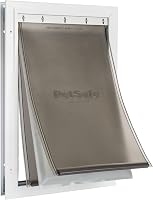
How Does a Collar Sensor Dog Door Work?
A dog door with a collar sensor detects a compatible collar key or transmitter, then releases a flap or raises a panel. Choose by your dog's size, willingness to push a flap, and the access controls your home needs.
On this page (9 sections)
- How does a dog door with a collar sensor work?
- Which PetSafe setup suits a household starting from scratch?
- Which collar accessories do existing door owners need?
- Who should choose the Power Pet PX-1 motorized door?
- What should you measure and check before buying?
- How do you set up and introduce the door?
- What care prevents common access problems?
- Will a collar sensor keep other animals out?
- Which collar sensor dog door setup should you choose?
A dog door with a collar sensor detects a compatible device on your dog's collar, then releases a flap or opens a panel. Choose a flap-release model if your dog can push through; choose a motorized panel if you want the opening cleared automatically.
The key buying checks are fit, collar compatibility, access controls, and power. A replacement transmitter alone won't give you a working doorway, and a door's overall dimensions don't tell you whether your dog fits through it.
How does a dog door with a collar sensor work?
The door responds to a compatible collar signal when your pet enters its sensing area. Its access mode determines whether passage is allowed, while its mechanism determines whether your dog pushes a flap or walks through a raised panel.
RFID systems use a collar key to communicate with a compatible door. Ultrasonic systems use a transmitter that sends a sound signal to the door's sensor.
Neither system recognizes your dog's face or body. Access depends on the device your pet wears, so a missing key or depleted battery can interrupt the routine.
How close must a collar sensor dog door key get?
The device must enter the door's detection range, which varies by system and adjustment. The PetSafe Electronic Pet Door has an adjustable range of up to 3 feet.
Start with a range that detects a normal approach without responding to every nearby movement. Check from both sides, including places where your dog rests, eats, or waits beside the doorway.
For a broader explanation of flaps, panels, and installation types, see our guide to dog doors.
Which PetSafe setup suits a household starting from scratch?
The PetSafe Electronic Pet Door, Collar Key Large suits buyers who want selective access and a flap their dog pushes through. Skip it if you need a panel that moves out of the way automatically.
This large model is intended for dogs up to 100 lb, but weight alone isn't a fit check. Measure your dog's width and height, then compare those measurements with the usable opening before cutting anything.
Its programmable controls include selective entry, exit, and auto-locking options. In automatic mode, it detects the waterproof Electronic Pet Door Key, releases the flap's lock, and locks again after passage.
The door runs on 4 D-cell batteries, which aren't included. It is designed for interior or exterior doors; installing it through a wall requires a separate Wall Install Kit.
This setup makes sense where an outlet is inconvenient and you're comfortable maintaining batteries. Compare the installation and daily-use details in our PetSafe Electronic Pet Door review.
Which collar accessories do existing door owners need?
Buy an accessory only after matching the exact door system. The MS-5 transmitter and PetSafe Add-A-Pet key serve different doors, and neither accessory replaces the door itself.
High Tech Pet MS-5: for an existing Power Pet system
The High Tech Pet MS-5 Automatic Pet Door Collar suits someone replacing a transmitter or equipping another pet for a compatible Power Pet door. Skip it for a PetSafe setup.
It operates all High Tech Pet Power Pet electronic doors and includes a battery and a 27-inch nylon strap. High Tech Pet describes its enclosed ultrasonic transmitter as waterproof and suitable for rain and snow.
Check the strap fit and transmitter position before allowing unsupervised use. A waterproof device still needs routine checks for a loose strap, dirt, or damage.
PetSafe Add-A-Pet key: for a compatible PetSafe door
The PetSafe Electronic Pet Door Key, Add-A-Pet suits owners replacing a lost key or adding another pet. It works with all sizes of the PetSafe Electronic Pet Door, but not SmartDoor Plus.
The door supports up to 5 keys, and this RFID key fits most collar ID tags. Its included RFA-67 battery lasts 3–6 months depending on use, so check it regularly rather than waiting for access to stop.
Don't assume one shared key will serve several pets well. Each pet needing independent access should wear its own compatible device, and you should confirm how the door handles lost keys before adding replacements.
Who should choose the Power Pet PX-1 motorized door?
The Power Pet PX-1 Medium suits buyers who want a panel that rises automatically instead of a flap their pet must push. Skip it if your dog doesn't fit the medium opening or you prefer a simpler flap mechanism.
It includes an MS-5 collar and offers In Only, Out Only, In & Out, and Locked modes. These direction controls let you allow a pet to return indoors without reopening the route outside.
High Tech Pet says its directional sensing responds to a direct approach rather than a pet resting nearby. The PX-1 also has a steel dead bolt and an auto-retract feature that reopens the panel when it detects an obstruction.
It runs on the included AC adapter, with an optional rechargeable battery for backup power. Door-mount hardware is included; a wall installation needs a separate kit.
Choose this system if automatic movement solves a real problem for your dog. Check outlet access, cable routing, and panel clearance before committing to the installation.
What should you measure and check before buying?
Confirm your dog's fit and the installation location first, then compare electronics. A compatible collar can't make an undersized opening comfortable or make the wrong mounting kit fit your wall.
Use these checks before ordering:
- Usable opening: Measure your dog's body, allowing comfortable clearance rather than a squeeze.
- Step-over height: Consider how easily your dog can lift its feet through the opening.
- Mounting surface: Confirm door or wall thickness and any required tunnel or kit.
- Space around the unit: Allow room for the frame, controls, and moving panel.
- Power plan: Decide who will check batteries or whether backup power is needed.
- Pet rules: Work out which pets may go outside and at what times.
Our dog door size chart explains how to measure before choosing an opening. Don't use the outer frame measurements as the passage size.
A sensor also doesn't tell you how well a door will handle winter weather. Compare sealing and installation requirements separately from access features.
How do you set up and introduce the door?
Pair the collar device and check operation before cutting the opening, wherever the instructions allow. Confirm the power supply, permitted directions, and response to your dog's approach.
After installation, follow a gradual introduction:
- Fit the collar device securely in the position the manufacturer specifies.
- Select a supervised access mode and adjust the sensing range as directed.
- Encourage a calm approach from each permitted side.
- Let your dog get used to the click or panel movement before asking for passage.
- Reward short, willing trips through the opening.
Never force your dog through a moving panel or use your hand to demonstrate an obstruction response. Follow the manufacturer's safety checks and keep children away from the mechanism during setup.
For a hesitant pet, use our dog door training guide to build confidence in small steps. A dog accustomed to an open doorway may still need time to learn to push a flap.
What care prevents common access problems?
Check power, collar fit, and the opening regularly. If the door stops responding, check the permitted access mode and collar battery before changing several settings at once.
Remove hair and dirt around the flap, panel path, and sensor area using the manufacturer's cleaning directions. Don't soak the door's electronics or add lubricant unless the instructions call for it.
Common mistakes include buying a same-brand key for the wrong model, setting an unnecessarily broad range, and forgetting that the door and collar device may have separate power needs. Keep compatible replacement batteries available and learn the approved manual procedure before an outage.
For multi-pet homes, supervise early use to see whether another animal follows through behind the authorized pet. A shared opening may not provide the separation you need when one pet must stay inside.
Will a collar sensor keep other animals out?
A collar sensor helps control access but isn't a complete security barrier. An animal following closely behind your dog may reach the opening while it's available.
Use the locked setting when outdoor access isn't needed, and check the frame and surrounding door for damage. Electronic access control doesn't replace a secure yard or supervision where pets could escape.
Read whether dog doors are safe for a home and how dog door security works when planning the location and locking routine.
Which collar sensor dog door setup should you choose?
Choose the PetSafe door for collar-key flap access if your dog can push through and battery power suits the location. Choose the PX-1 for a motorized opening if its size, power needs, and installation fit your home.
If you already have a working door, match the replacement device to that exact system before buying another complete unit. The MS-5 serves Power Pet doors; the PetSafe key serves compatible Electronic Pet Doors.
Your dog door with collar sensor should fit both your pet and your daily access rules. Compare electronic versus flap dog doors to decide whether powered access earns its extra upkeep.
For other identification options, see how to choose a smart dog door. Once you've settled on the mechanism, use our electronic dog door comparison to narrow the full-door choices.
Frequently asked questions
How does a collar sensor dog door know it's my dog?
A collar sensor dog door recognizes a compatible device on your dog's collar, rather than your dog's appearance; RFID keys and ultrasonic transmitters use different signals, so they aren't interchangeable. Pair the correct device according to the door's instructions, then check that the door responds from each permitted direction.
Does a dog need a special collar for an electronic dog door?
Your dog needs the compatible key or transmitter required by that door; some devices attach to an existing collar, while others come with a strap. Choose a fit that keeps the device secure without restricting movement, and check compatibility before buying a replacement, even within the same brand.
Can more than one dog use a collar sensor dog door?
Yes, when the door supports multiple compatible devices, each dog can wear its own key or transmitter; the PetSafe Electronic Pet Door supports up to 5 keys. Check capacity before buying, and confirm whether the available controls meet your needs if some pets must stay indoors while others go outside.
Do collar sensor dog doors keep other animals out?
Collar sensor dog doors help limit access, but they can't guarantee that other animals stay outside; an animal might follow closely behind an authorized pet while the opening is available. Use the appropriate locking mode when access isn't needed, and include the pet door in your home's wider security routine.