PetSafe vs SureFlap Microchip Pet Door: Which Is Better? (November 2026)
For PetSafe vs SureFlap, choose PetSafe when exit settings matter and your pets can wear collar keys. Choose SureFlap for compatible microchip entry, provided every pet allowed outside fits its opening.
On this page (12 sections)
- PetSafe vs SureFlap: what is the main difference?
- Which door fits your household's access rules?
- Which identification method is easier to live with?
- How much does multi-pet capacity matter?
- Will your pet fit through the opening?
- Where should you install the door?
- What setup should you complete before cutting?
- How should you introduce pets to the door?
- What batteries and care will you need?
- Which common mistakes should you avoid?
- Who should skip PetSafe or SureFlap?
- PetSafe vs SureFlap: which should you choose?
Choose PetSafe for programmable entry and exit options if your pets can wear collar keys; choose SureFlap for compatible microchip entry if you don't need selective exits. This PetSafe vs SureFlap comparison comes down to access rules, pet size and the place you plan to install the door.
Start with the pet that needs the tightest limits. A door that admits the right animals can still be the wrong choice if it lets an indoor-only pet leave.
PetSafe vs SureFlap: what is the main difference?
PetSafe recognizes a collar key, while SureFlap recognizes a compatible implanted microchip or RFID collar tag. PetSafe also offers programmable exit options, whereas SureFlap checks identity only when an animal enters.
That makes these doors useful for different routines. PetSafe suits a household willing to manage collar keys in exchange for entry and exit settings.
SureFlap suits cats and small dogs whose owners want approved pets to come home without carrying an extra tag. Its entry check doesn't turn it into a door that can identify and stop a particular pet from leaving.
This comparison covers these 2 models, rather than every door sold by either brand. Our guide to choosing a collar, microchip or app dog door explains the wider choices.
For alternatives with different sizes or controls, see the best electronic dog doors.
 Best for homes needing exit controls
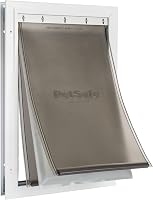
PetSafe Electronic Pet Door, Collar Key Large

Which door fits your household's access rules?
Choose the access behavior before the identification method. Write down which pets may enter, which may leave and when the passage should be closed.
A household where all pets share the same outdoor routine has a simpler choice. A home with an indoor-only cat and an outdoor dog needs closer attention to exit behavior.
PetSafe vs SureFlap for mixed indoor and outdoor pets
SureFlap cannot separate pets by identity on exit. When passage out is allowed, an animal doesn't need an approved chip or tag to leave.
That rules it out if your plan depends on letting one pet outside while stopping another at the same opening. Its curfew feature doesn't add selective identity checks in the outward direction.
PetSafe offers programmable selective entry, exit and auto-locking options. Before buying, confirm that the available modes match your exact household rules, especially if you expect different permissions for different pets.
Don't assume that storing several keys means you can assign every pet a separate schedule. Ask PetSafe about any specific arrangement you need before making a permanent opening.
When timed access is enough
SureFlap's curfew setting lets you program lock and opening times. It suits a shared routine where the household needs timed access rather than different exit permissions for each animal.
Plan how you'll account for pets before restricting access. A clock setting doesn't confirm that every animal has come inside, so make a head count part of the evening routine.
Which identification method is easier to live with?
SureFlap reduces collar-tag upkeep for compatible microchipped pets; PetSafe requires its key on the collar. Choose the method you can maintain every day, including after grooming or a collar change.
SureFlap works with 9-digit Avid Secure, 10-digit FDXA and 15-digit FDXB microchip numbers. Ask your veterinarian, shelter or rescue to identify the chip if you don't know its type.
Have that information ready before ordering. The fact that a pet has a microchip isn't enough to confirm compatibility with a particular reader.
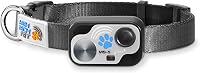
For pets without a compatible chip, SureFlap accepts its RFID collar tags. Confirm the tag quantity in your chosen package and arrange enough compatible tags for the pets that need them.
PetSafe's Electronic Pet Door Key is waterproof, but it still needs to be attached to the pet's collar. Include the key whenever you swap collars, rather than leaving it on the spare hanging by the door.
Choose a collar setup appropriate for your pet and follow its safety instructions. Our collar sensor dog door guide explains how this access method fits into daily use.
How much does multi-pet capacity matter?
PetSafe supports up to 5 keys, while SureFlap stores up to 32 identities. The larger memory matters when more pets need access, but it doesn't solve a poor fit or the wrong exit rules.
Count every animal that will use the opening, including pets that visit regularly. Then decide whether each one should have access at all.
For a home with 2 or 3 pets, unused memory shouldn't drive the decision. Collar tolerance, opening size and control settings are more useful reasons to choose.
In a larger household, keep a simple record of registered pets and tags. Follow the door's instructions for removing access when a tag is lost or a pet no longer needs it.
Will your pet fit through the opening?
Measure your pet against the usable opening before choosing either door. SureFlap's opening is 6 11/16 inches high by 7 inches wide; PetSafe describes this Large model as suitable for dogs up to 100 lb.
A weight guide isn't a fit check. Dogs with the same weight can have very different shoulder widths, chest depths and ability to step over a raised edge.
Use the dog door size chart to measure your pet and plan the mounting height. If several animals will share the door, account for the widest pet and the one least able to manage a high step.
For PetSafe, confirm the usable opening dimensions before ordering. The outside frame measurements aren't a substitute for the space your dog will actually pass through.
A cardboard outline can help you judge the shape and position before cutting. Let your pet approach it willingly, and don't force an animal through a narrow mock opening.
Skip either model if comfortable passage requires squeezing or an awkward crouch. A different size is a better choice than expecting your pet to adapt to a poor fit.
Where should you install the door?
Choose the location before ordering accessories. PetSafe is designed for interior or exterior doors, with a separate Wall Install Kit required for walls; SureFlap supports doors, windows and walls.
SureFlap needs a mounting adaptor for glass. Wall fitting may require an adaptor and one or more tunnel extenders, depending on the installation.
Measure the full thickness of the material the tunnel must cross. Include layers such as interior trim or exterior finishes when the installation instructions require them.
Check both sides of the proposed opening for landing space. Your pet needs room to approach, pass through and move away without stepping into furniture, stored items or a drop.
Arrange suitable professional help for glass work or a wall opening where concealed services may be present. Don't cut first and try to solve missing parts afterward.
An existing pet-door hole also needs careful measuring. A larger outside frame doesn't prove that a replacement will mount correctly over the old cutout.
If access control isn't necessary for your home, our guide to electronic versus flap dog doors can help you decide whether a simpler door would meet your needs.
What setup should you complete before cutting?
Check recognition and learn the controls before making the opening. Follow the model's instructions for fitting batteries, registering pets and confirming its operation.
Lay out the door, manual, required accessories and measuring tools first. Keep the installation template separate from packaging that might be thrown away.
PetSafe detects its key within an adjustable range of up to 3 feet. Set that range for the approach to the doorway, then check whether a pet resting nearby causes unwanted operation.
SureFlap uses one-button programming to learn identities. Register each intended pet and check recognition individually rather than assuming the whole group is ready after enrolling the first animal.
Keep another secure route available while you finish setup. Pets shouldn't depend on a new electronic opening before you've confirmed both recognition and the intended control mode.
After installation, check passage in both directions under the settings you plan to use. Observe every pet separately so a confident animal doesn't hide another pet's hesitation.
How should you introduce pets to the door?
Teach passage in short, calm sessions before relying on independent access. Electronic permission and willingness to push through a flap are separate parts of learning.
Start with your pet near the opening and reward calm interest. Follow the manual's training guidance, and use food or a familiar person on the other side to encourage voluntary movement.
Let a hesitant pet retreat and try again later. Pushing or pulling can make the doorway harder to approach next time.
Practice coming home as well as going out. A pet that follows you into the yard may still hesitate when approaching the flap alone from outside.
Train household pets separately at first. That helps you spot an identification issue, a fit problem or simple uncertainty without crowding at the opening.
Our guide to training a dog to use a dog door gives a fuller step-by-step routine.
What batteries and care will you need?
Both doors need accessible battery compartments and routine checks. PetSafe uses 4 D-cell batteries, while SureFlap uses 4 C non-rechargeable alkaline batteries; door batteries aren't included.
SureFlap estimates up to 12 months of battery life, depending on use. Its red flashing indicator warns that replacement will be needed soon.
Treat that estimate as a planning guide rather than a replacement date. Check the indicator regularly and keep the correct batteries available so access doesn't depend on a last-minute shopping trip.
Follow the manual's cleaning instructions for the flap, frame and reading area. Remove visible hair and dirt, and keep the passage clear of mats or objects that could interfere with movement.
Inspect the collar key or tag attachment during normal collar checks. After changing batteries, collars or access settings, confirm that each pet can still use the intended route.
Also make the doorway part of your regular home check. Look for a flap that doesn't settle properly, loose fittings or a pet beginning to avoid the opening.
Which common mistakes should you avoid?
The biggest mistakes are confusing entry control with containment and cutting before confirming fit. Avoid these errors before committing to either model:
- Choosing SureFlap to keep one pet indoors. Its identity check applies to entry, so use another arrangement when pets need different exit permissions.
- Buying by dog weight alone. Check body width, opening height and the step your pet will need to clear.
- Assuming every chip or tag works. Confirm chip compatibility or use the correct key or RFID tag for the chosen door.
- Leaving accessories until installation day. Work out wall thickness and glass requirements before ordering.
- Expecting instant use. Leave time for each pet to learn the route before depending on it.
- Treating automatic access as supervision. Check the yard, account for pets and keep an alternative way to bring them inside.
Electronic recognition helps manage access, but it doesn't replace a safe outdoor space. Consider escape routes, fencing and the position of the pet door as part of the same decision.
For a wider look at household risks, read whether dog doors are safe for your home.
Who should skip PetSafe or SureFlap?
Skip PetSafe if collar-key use won't be reliable; skip SureFlap if selective exits are essential. Skip both if the opening, location or maintenance needs don't suit your home.
PetSafe is a poor match when your pet frequently goes without the collar that carries its key. A compatible microchip reader removes that particular task from the routine.
SureFlap is a poor match for a larger pet that cannot comfortably fit its opening. Its larger identity memory offers no benefit if the animal can't use the passage.
Neither model should be chosen on the assumption that electronic access proves insulation, weather sealing or burglary resistance. If one of those is your main concern, establish the relevant requirements before choosing a door.
Renters should also settle permission and restoration requirements before cutting. A suitable access system still needs a suitable place to install it.
PetSafe vs SureFlap: which should you choose?
Pick PetSafe when programmable exit options matter and collar keys fit your routine. Confirm its control modes and usable opening before committing to this Large model.
Pick SureFlap for compatible microchipped cats or small dogs when entry control is the goal. It makes sense when approved pets share the same exit rules and you want fewer collar accessories to manage.
If neither description fits, pause before choosing between these 2. The right door must satisfy your strictest access rule, fit every intended pet and work in the planned location.
To finish your PetSafe vs SureFlap decision, read the PetSafe Electronic Pet Door review for a closer look at the collar-key model.
Frequently asked questions
Is PetSafe or SureFlap better for multiple pets?
SureFlap is better when you need more than 5 registered identities because it stores up to 32; PetSafe supports up to 5 collar keys. For mixed indoor-only and outdoor pets, capacity matters less than exit control: SureFlap cannot use identity to decide which animal may leave.
Does SureFlap control both entry and exit?
SureFlap checks identity on entry only, so it cannot choose which animals may exit; its curfew setting lets you set lock and opening times, but that is separate from identity-based exit control. If one pet must stay inside while another goes out, this model isn't the right choice.
Do these pet doors work without collar tags?
SureFlap works without a collar tag when your pet has a compatible implanted microchip; PetSafe requires its Electronic Pet Door Key on your pet's collar for automatic access. SureFlap also accepts RFID collar tags for pets without compatible chips, so confirm how each pet will be recognized before buying.
Can either door be installed in a wall?
Both doors have wall installation options; PetSafe requires its separate Wall Install Kit, while SureFlap may need a mounting adaptor and one or more tunnel extenders. Measure the full wall thickness and check the installation instructions before ordering accessories or cutting an opening through your home.