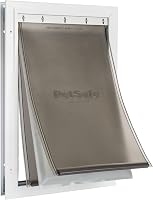
Do Dog Doors Let Other Animals In?
Yes, dog doors can let other animals in when an animal can reach the opening and push through the flap. Choose selective entry for access during the day, or close the opening with a compatible panel when your pet doesn't need it.
On this page (7 sections)
- Why do dog doors let other animals in?
- Do electronic dog doors keep other animals out?
- Does a microchip cat door help keep other animals out?
- Will a closing panel stop animals from entering?
- How should you set up and care for an access-controlled door?
- Which mistakes make unwanted animal entry more likely?
- Which option should you choose to keep other animals out?
Yes, dog doors can let other animals in if they can reach the opening and push through the flap. A basic flap checks neither identity nor permission, so neighborhood cats and wildlife may use the same route as your dog.
The right response depends on when you need access. Use a compatible closing panel when the opening can stay shut, or consider selective entry when your pet still needs to come and go.
Why do dog doors let other animals in?
A standard flap is a passage, not an identity check. Any animal that fits may be able to move it, even if the flap has a magnetic catch that helps it close.
Risk depends on access to the opening, nearby food sources, and how often the door stays available. A smaller opening limits what can fit, but it may still admit an animal smaller than your dog.
Look at the area outside the flap. Pet food, spilled birdseed, unsecured trash, and outdoor feeding bowls can give animals a reason to approach the house.
For a fuller home-safety overview, read are dog doors safe for your home. For ways to close the opening when it isn't needed, see dog door security options.
Do dog doors let other animals in at night?
They can, especially when the flap stays available while no one is watching. Close the opening overnight if wildlife visits your yard and your pets can use supervised bathroom trips.
Bring all pets inside before attaching a cover or changing access settings. A timer also needs a schedule that matches your household, so a pet isn't left outside when entry closes.
Can raccoons or neighborhood cats use a dog door?
Raccoons or neighborhood cats may use a reachable flap if they fit and can push it open. A fence or porch may affect their route, but neither identifies which animal belongs in your home.
If an unfamiliar animal gets inside, keep your pets away and avoid cornering it. Contact local animal control or a wildlife professional if you cannot give it a safe way out.
Do electronic dog doors keep other animals out?
Electronic doors can restrict access to recognized pets, but entry control and exit control are different features. Choose the directions you need controlled before comparing schedules, pet capacity, or installation options.
Selective entry suits a dog that needs daytime yard access while neighborhood animals stay outside. A household with an indoor-only pet also needs to check who can leave.
A recognized pet can approach while another animal follows closely behind. Watch for this behavior rather than treating electronic access as a complete barrier to unwanted entry.
Who should choose the PetSafe collar-key door?
Choose the PetSafe Electronic Pet Door, Collar Key Large for a dog that can wear its key and a household that wants programmable entry, exit, and automatic locking. PetSafe identifies this Large model for dogs up to 100 lb, but weight alone doesn't confirm fit.
Its waterproof collar key provides identification, and the door supports up to 5 keys. That suits several pets needing their own recognized access.
Skip this option if your pet cannot reliably wear a collar key. A lost or removed key means your pet no longer carries the identifier the door needs.
It's designed for interior or exterior doors, with a separate kit needed for wall installation. Confirm the battery requirements in the model's instructions before buying batteries, and include battery checks in your routine.
Who should choose the SureFlap microchip door?
Choose the SureFlap Microchip Pet Door for a cat or small dog that fits its opening, especially if you prefer identification through an implanted chip. It also accepts compatible RFID collar tags and stores up to 32 identities.
The flap opening measures 6 11/16 inches high by 7 inches wide. Compare that passage with your pet's body measurements, rather than using the frame's outside dimensions.
Skip this model if you need identification-based exit control: it scans on entry only, and any animal can exit. Its curfew feature provides scheduled locking, but selective entry alone won't keep an indoor-only pet inside.
SureFlap supports 9-digit Avid Secure, 10-digit FDXA, and 15-digit FDXB microchips. Confirm your pet's chip number with your veterinarian or shelter before choosing it.
It uses 4 non-rechargeable alkaline C batteries and has a low-battery indicator. Glass installation requires a mounting adaptor, while wall installation may need an adaptor and tunnel extenders.
For more about access options, read how collar sensor dog doors work and how to choose a collar, microchip, or app dog door.
Does a microchip cat door help keep other animals out?
A microchip cat door suits a cat-sized access problem, such as neighborhood cats entering through an existing flap. Choose one for the pet using it, rather than assuming any electronic opening will suit a dog.
The Cat Mate Elite Microchip Cat Door with Timer is designed for small to medium cats. It recognizes implanted microchips, stores multiple identities, and has programmable timer controls for access routines.
Choose it for a cat household that wants collar-free identification and scheduled access. Skip it for a dog-door replacement or when you need recognition to determine which pets may leave.
Like the SureFlap model above, its identity check controls entry while cats can exit freely. Confirm the timer's settings before using it to establish an overnight routine.
Compare your pet's measurements with dog door sizes and how to choose one. Cutout dimensions describe the installation hole, so don't mistake them for the clear passage your pet uses.
Will a closing panel stop animals from entering?
A compatible panel blocks the opening while attached, making it useful when your pet doesn't need access. It requires someone to put it in place and check that it is secure.
The PetSafe Snap-On Closing Panel, Large fits compatible Large versions of the Plastic Pet Door, Extreme Weather Pet Door, and Panel Pet Door Insert. Choose it if you already have a matching door and mainly need to close access overnight or during absences.
Skip this cover if your dog needs independent access during those hours. It closes the route for your pet too, and it isn't a universal cover for other brands or models.
Match the exact door family and size before ordering. After attaching the panel, check the edges and attachment points instead of assuming a cover is secure because it appears to sit in place.
The panel is washable. Keep its fitting surfaces clean, and inspect it for damage when you remove or replace it.
How should you set up and care for an access-controlled door?
Program every permitted pet and confirm the settings before allowing independent use. Do this while you are present so you can spot a fit, recognition, or closing problem.
Start with these steps:
- Measure before cutting. Check your pet's fit, the installation opening, door thickness, and any required accessories.
- Register each pet separately. Confirm recognition from outside, then check what happens when that pet approaches from inside.
- Check every mode you plan to use. Include scheduled closure and any entry-only or exit-only settings.
- Teach the route calmly. Use short sessions and rewards without forcing your pet through.
- Watch the full passage. Make sure your pet clears the flap and that it closes afterward.
Use our guide to training a dog to use a dog door if your dog hesitates around the flap or its movement.
Wipe away mud and hair that could interfere with closure, following the manufacturer's care instructions. Keep the passage clear of mats, toys, and other objects, and respond promptly to low-battery warnings.
Which mistakes make unwanted animal entry more likely?
The biggest mistake is leaving access available when it isn't needed. Even a suitable door depends on correct settings, a clear closing path, and a routine someone follows.
Avoid confusing weather sealing with access control. A flap that reduces drafts still needs a lock, cover, or recognition system to limit who passes through.
Don't prop a flap open and leave it unattended during training. Restore normal closure after each session, particularly if food rewards are near the opening.
Keep food and waste away from the doorway, and check the flap after yard work or heavy dirt buildup. For ways to secure an existing opening, see dog door security: locks, covers, and panels.
Which option should you choose to keep other animals out?
Choose by the access your pet needs. Since dog doors can let other animals in, closing an unused opening is the direct choice; selective entry helps when your pet still needs independent access.
- Choose PetSafe Electronic for a collar-key dog door with programmable entry and exit options.
- Choose SureFlap for a pet that fits its opening and needs microchip or RFID entry recognition.
- Choose Cat Mate Elite for small to medium cats needing microchip entry and timer controls.
- Choose the PetSafe closing panel for a matching existing door that can stay closed during set hours.
For cold-weather needs alongside access control, compare dog doors for cold weather. If you're still choosing the basic door type, start with dog doors explained before planning the installation.
Frequently asked questions
Can raccoons get through a dog door?
Yes, a raccoon may enter through a basic flap if it can reach the opening and fit through it. Size alone isn't a reliable way to keep wildlife outside; close the opening when unused, remove nearby food sources, and arrange supervised bathroom trips if wildlife is visiting.
Do electronic dog doors keep other animals out?
Electronic dog doors can restrict entry to pets with a recognized collar key, tag, or compatible microchip. Choose a model with the access settings your household needs, and check those settings after installation; selective entry does not necessarily control exit, and an authorized pet may still be followed through.
Will a closing panel stop animals from entering?
A correctly fitted closing panel blocks the pet door opening while attached, so it can help prevent animals from using the flap. Choose the exact panel for your door model and size; check its attachment each time, and don't assume a pet door cover provides the protection of a secured exterior door.
Should I leave a dog door open at night?
Close the dog door at night if unwanted animals visit your yard and your pet doesn't need free access. Bring every pet indoors before securing the opening, then arrange supervised bathroom trips as needed; if you use a timer, check both its entry and exit behavior before relying on the schedule.